
Açılmayan Bavul
Aileden Taşınan Yüklerin Hikâyesi
Is the suitcase you have carried for years really yours?
Home › My books › Biliyor Ama Yapmıyor
My books · A guide for parents
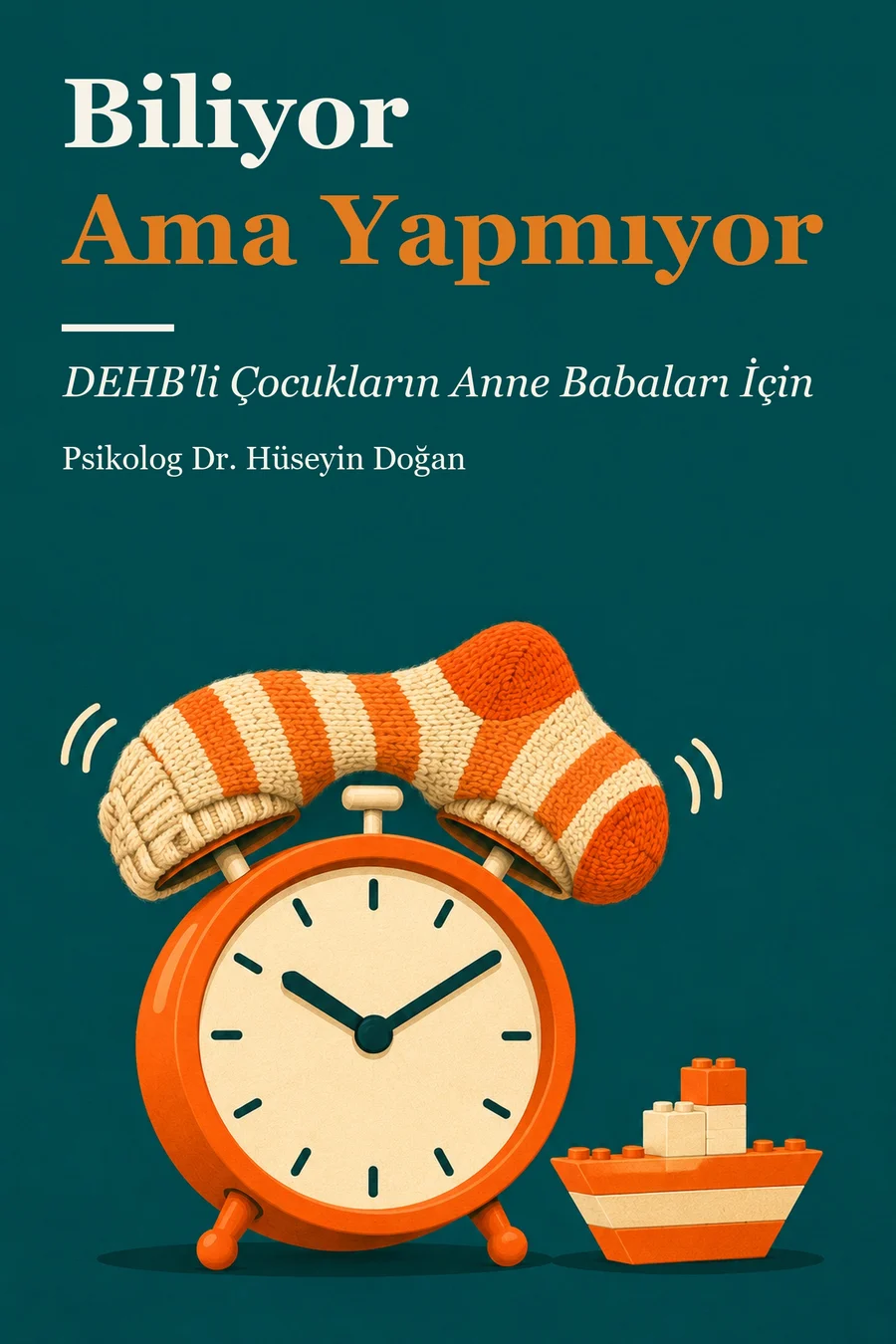
Knows it, doesn't do it. For parents of children with ADHD (in Turkish)
For parents who hear themselves say every morning: "How many times have I told you?"
In the evening your child can list the whole morning: get up, wash, get dressed, breakfast, teeth, bag, shoes, school bus. In the morning it is as if none of it was ever said. This Turkish-language book looks into that gap. Does your child really know? If so, why doesn't it happen? And what can you do in that moment?

Biliyor, hocam. Bilmediği bir şey yok. Akşam sorsam sırayla sayar. Ama sabah oluyor, hiç duymamış gibi. Kafasında sessize alınmış bir alarm var sanki.Gizem, Ayaz's mother, chapter 1 (translated: "He knows it. There's nothing he doesn't know. Ask him in the evening and he lists it all. But then morning comes and it's as if he never heard a word. As if there's an alarm on silent in his head.")
Eksik olan bir bilgi mi, yoksa bir an mı?
"Kaç kere söyledim" cümlesinin içinde cevap zaten saklıdır: çok kere.
Zorlanmak başka, aptal olmak başka.
The school bus honks for the second time. Nine-year-old Ayaz has a sock on one foot, the other is bare. He sits on the living-room rug fitting the mast onto the Lego ship he left unfinished last night. His mother Gizem is at the door, coat half on; she is due in the operating theatre at eight. The evening before, Ayaz listed every step of the morning without a slip.
At the heart of the book is a comparison: the reminder you set on your phone. In most children rules get stored somewhere and the bell rings at the right moment: in the middle of a game a small voice says "get up now". In a child with ADHD the information is there, but the bell rings late or goes unheard. So instead of explaining the rule once more, the adult beside the child makes the bell ring at the right moment.
The book tells this through four families in Turkey: Ayaz (9) in Ankara, Defne (13) in İzmir, Kuzey (6) in Istanbul and Mert (16) in Bursa. Morning rush, homework, reward charts, outbursts, meetings with teachers, the medication question and adolescence all happen in those homes. The child is not let off the hook, and the parent is not left alone with guilt.
From diagnosis to school, from medication to adolescence. Each chapter opens with a scene from the life of one of the families and gives small steps you can try that same evening.
Which evening, which chapter: a page that shows what to do first on a bad evening and which chapter to open next: when the bus is missed, the school calls or anger boils over.
Keys for home: eleven keys that turn the differences of an ADHD brain into sentences for home, each opening with its own image: a send button, dipped headlights, a sharp bend, stabilisers.
A brake plan and hard evenings: a step-by-step plan for outbursts and ready-made words for the evenings that fit no chapter. At the back there is also a page on what to watch for in the first weeks of medication.
Dr. Hüseyin Doğan is a psychologist with a doctorate in psychological counselling from Gazi University, Ankara. As a Fulbright scholar he worked as a postdoctoral researcher and lecturer at the University of Central Florida. He has more than 19 years of clinical experience and, through ViaNova Praktijk, works online with Turkish-speaking adults in the Netherlands and across Europe.
The families in the book are not real people; each is built from pieces of the many life stories he has heard over the years. The book does not diagnose and does not recommend medication. Its job is to help you walk into the doctor's appointment, and into dinner, with a little less guilt and a little more of a plan.
No, Biliyor Ama Yapmıyor is published in Turkish only. It was written for Turkish-speaking parents, including those living elsewhere in Europe. The e-book is on Google Play Books.
No. A diagnosis is made by a child and adolescent psychiatrist or another qualified specialist after their own assessment; decisions about medication are made with your child's doctor. The book helps you prepare for those conversations and for the evenings at home.
The first two chapters are the foundation; read them first. After that you can start wherever your own evenings are hardest. The "Hangi Akşam, Hangi Bölüm" (which evening, which chapter) page at the front helps with that.
My other books
Aileden Taşınan Yüklerin Hikâyesi
Is the suitcase you have carried for years really yours?

Bir yetişkinlik ve çocukluk anlatısı
Do you say of your childhood, "Nothing bad happened"?

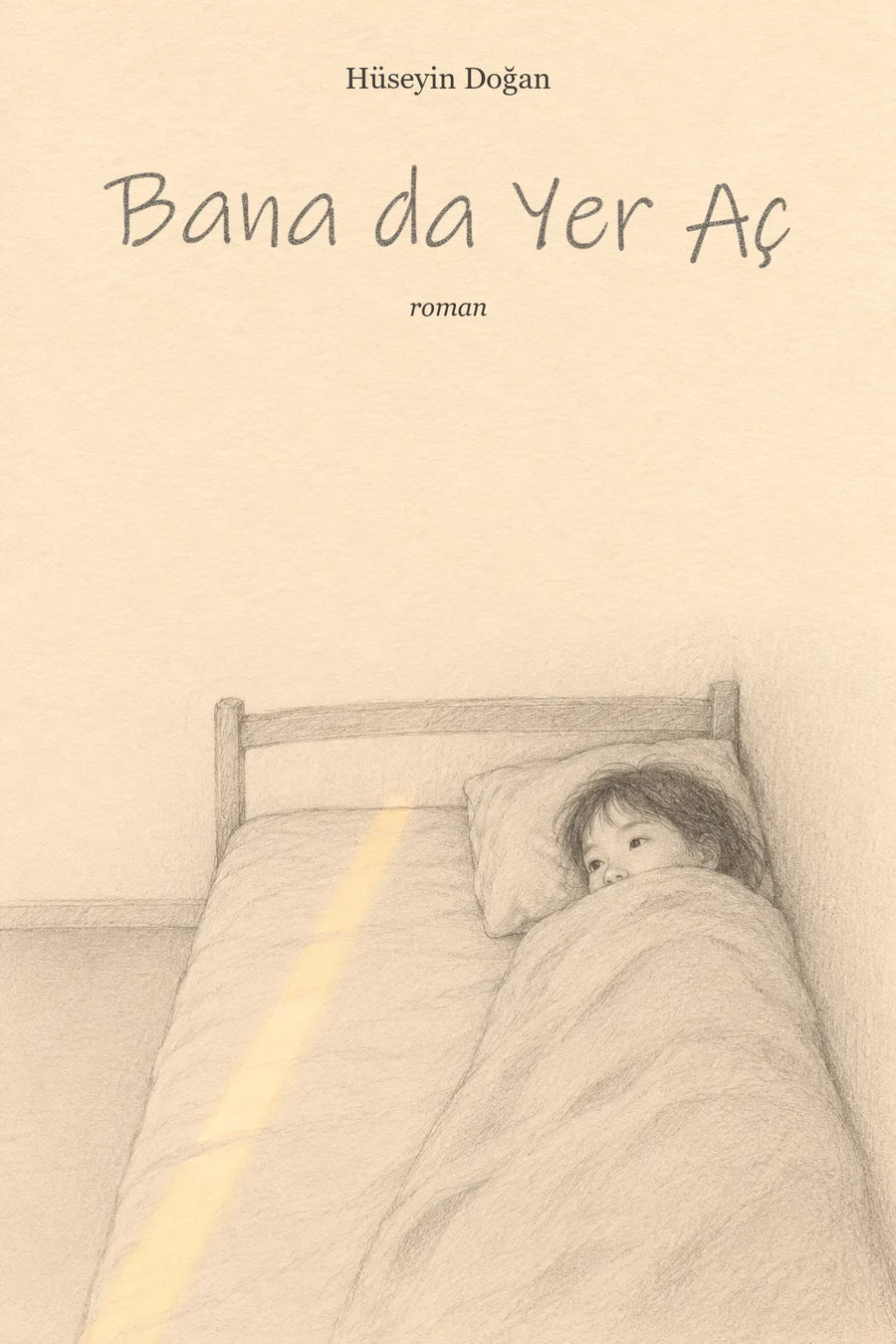
Make room for me too. A novel in letters (in Turkish)
For readers who have lost what they want somewhere among other people's tasks.