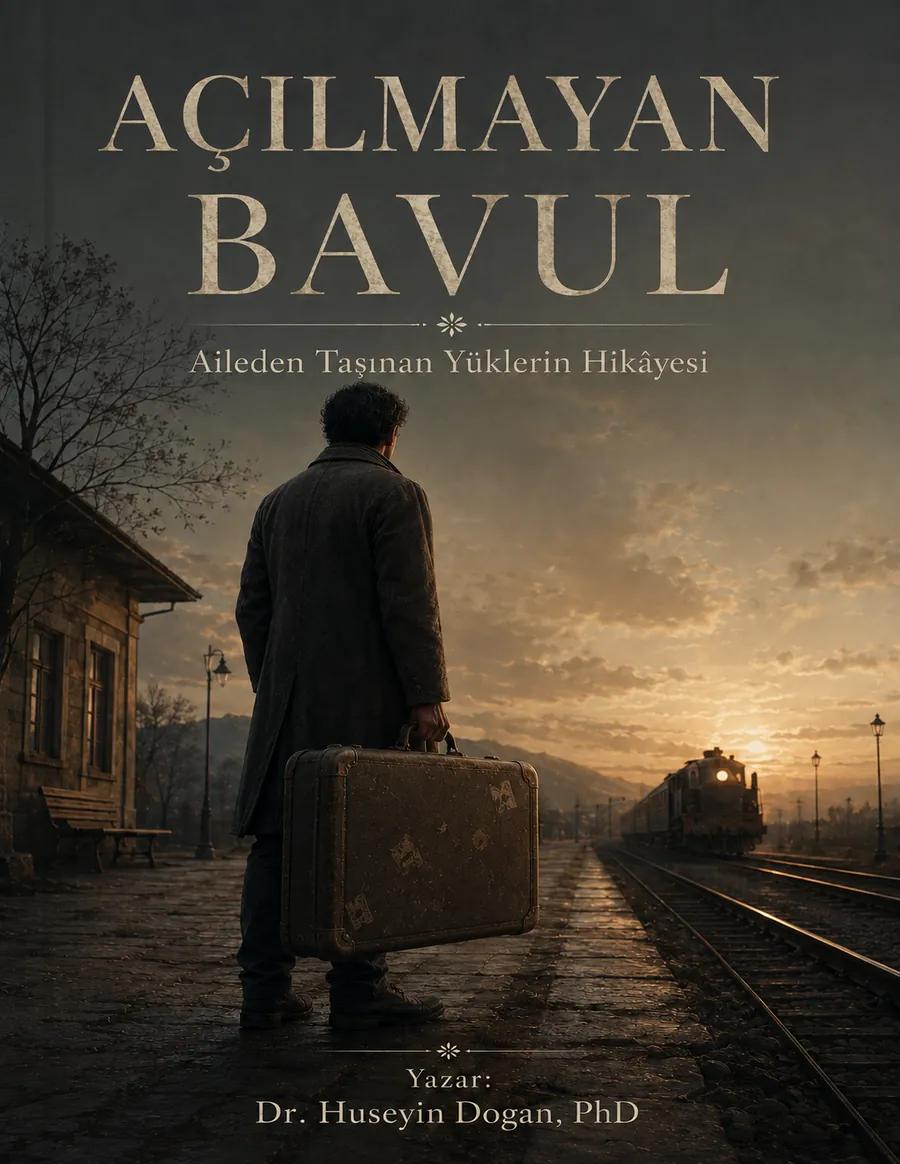
Açılmayan Bavul
Aileden Taşınan Yüklerin Hikâyesi
Is the suitcase you have carried for years really yours?
Home › My books › Bana da Yer Aç
My books · Novel
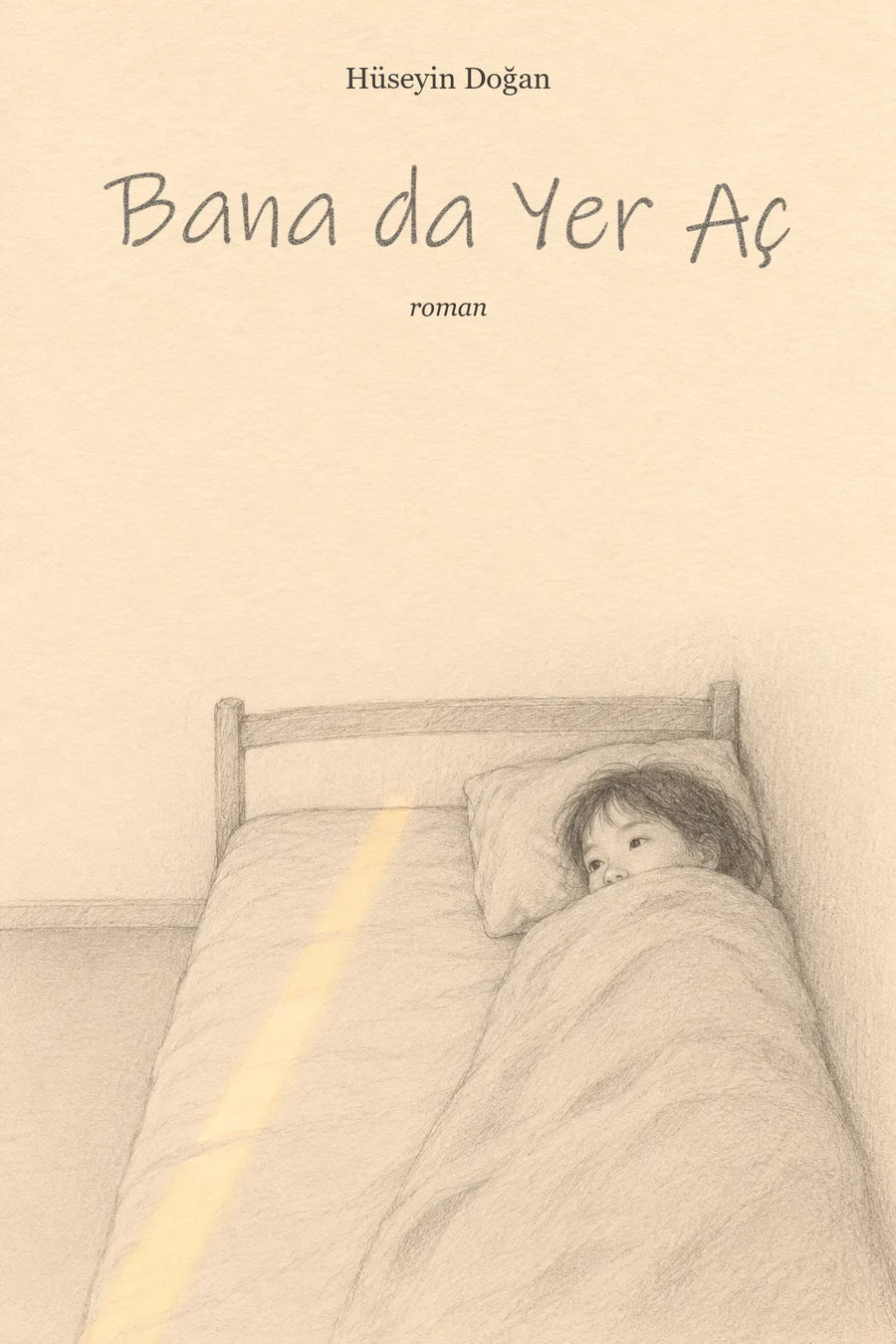
Make room for me too. A novel in letters (in Turkish)
For readers who have lost what they want somewhere among other people's tasks.
Ece is thirty-six. Her to-do notebook is full: her mother's appointment, the rent, the dry cleaning, her mother's slippers. When a friend asks what she wants to do on Sunday, she cannot answer. On a blank page she writes a letter to her eight-year-old self. The answer comes in pencil, in a child's handwriting.
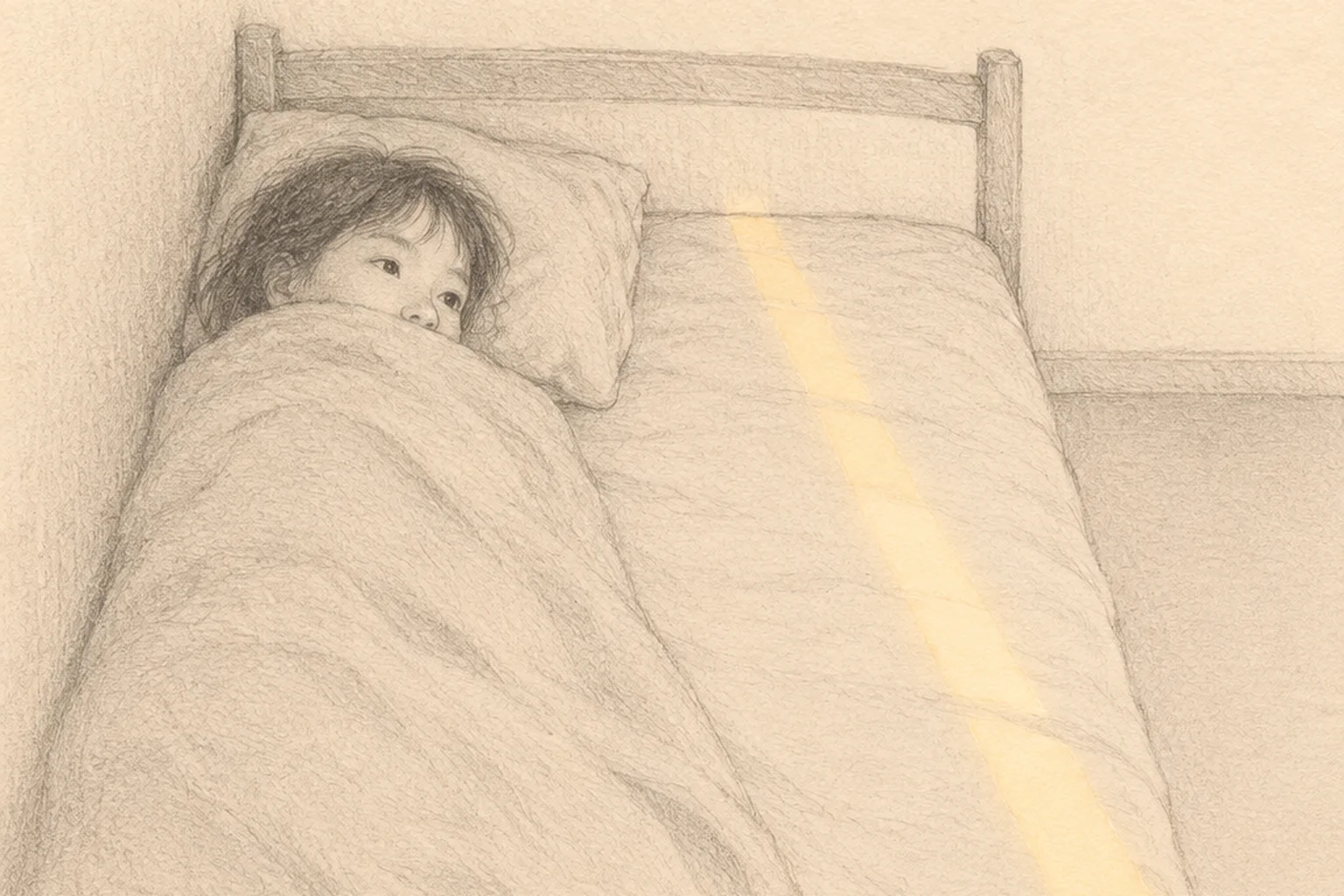
Ben yatağın duvar tarafına geçtim. O da oturabilsin diye.Ece at eight, chapter 11 (translated: "I moved over to the wall side of the bed. So she could sit too.")
Sen şimdi cevap yazmak zorunda değilsin. Sonra da olur.
Ekmeğime bal sürdü. Ben bal sevmiyorum. Yedim.
Üstünü çizdiğin yeri okudum. Çizince de okunuyor.
Her friend Aslı suggests two places for Sunday and asks: "Ece, which one do you want?" Ece thinks of her mother's eye operation, the manager she has to ask for leave, the bag that needs packing and the slippers that will be forgotten. Somewhere among all that she looks for something she wants herself. She cannot find it. That evening she writes her own name on a blank page and adds: eight years old.
The answer comes in pencil. Eight-year-old Ece wants her mother to sit on the edge of her bed before she falls asleep, but first she waits for her mother to finish the housework. Her father carries her little brother Can to bed; Ece is told, "You're big, you can walk." One evening she moves over to the wall side of the bed so her mother can sit.
The two Eces share one notebook. Adult Ece notices that each piece of well-meant advice gives the child a new task; one day the child disagrees with her for the first time. The mother does not change, and not everything is mended. But small spaces open up in the notebook: saying "I can't come this time" on the phone, asking for a little more mantı, buying a single cinema ticket.
The chapters are made of letters the two Eces write to each other. The book can be read in one evening.
Letters, crossed-out lines, to-do lists and notes in the margin. The notebook tells the story itself.
At the end there is a blank sheet where you can write your own list. You don't have to fill it in.
That the letters are fiction, how the sheet at the end can be used, and where to turn if reading becomes heavy.
Dr. Hüseyin Doğan is a psychologist with a doctorate in psychological counselling from Gazi University, Ankara. As a Fulbright scholar he worked as a postdoctoral researcher and lecturer at the University of Central Florida. He has more than 19 years of clinical experience and, through ViaNova Praktijk, works online with Turkish-speaking adults in the Netherlands and across Europe.
Ece and her family are not real people; they are built from pieces of the many life stories he has heard over the years. The book does not replace therapy. Putting it down when it gets heavy is part of reading it.
Not at the moment. Bana da Yer Aç is published in Turkish only, for Turkish-speaking readers wherever they live. The e-book is on Google Play Books.
A short novel in letters. Ece, 36, writes to her eight-year-old self in her to-do notebook, and the child writes back in pencil. The whole book is made of the pages of that notebook.
No, it is a novel. There are no lists of advice or exercises. The small steps Ece takes happen inside the scenes.
My other books
Aileden Taşınan Yüklerin Hikâyesi
Is the suitcase you have carried for years really yours?
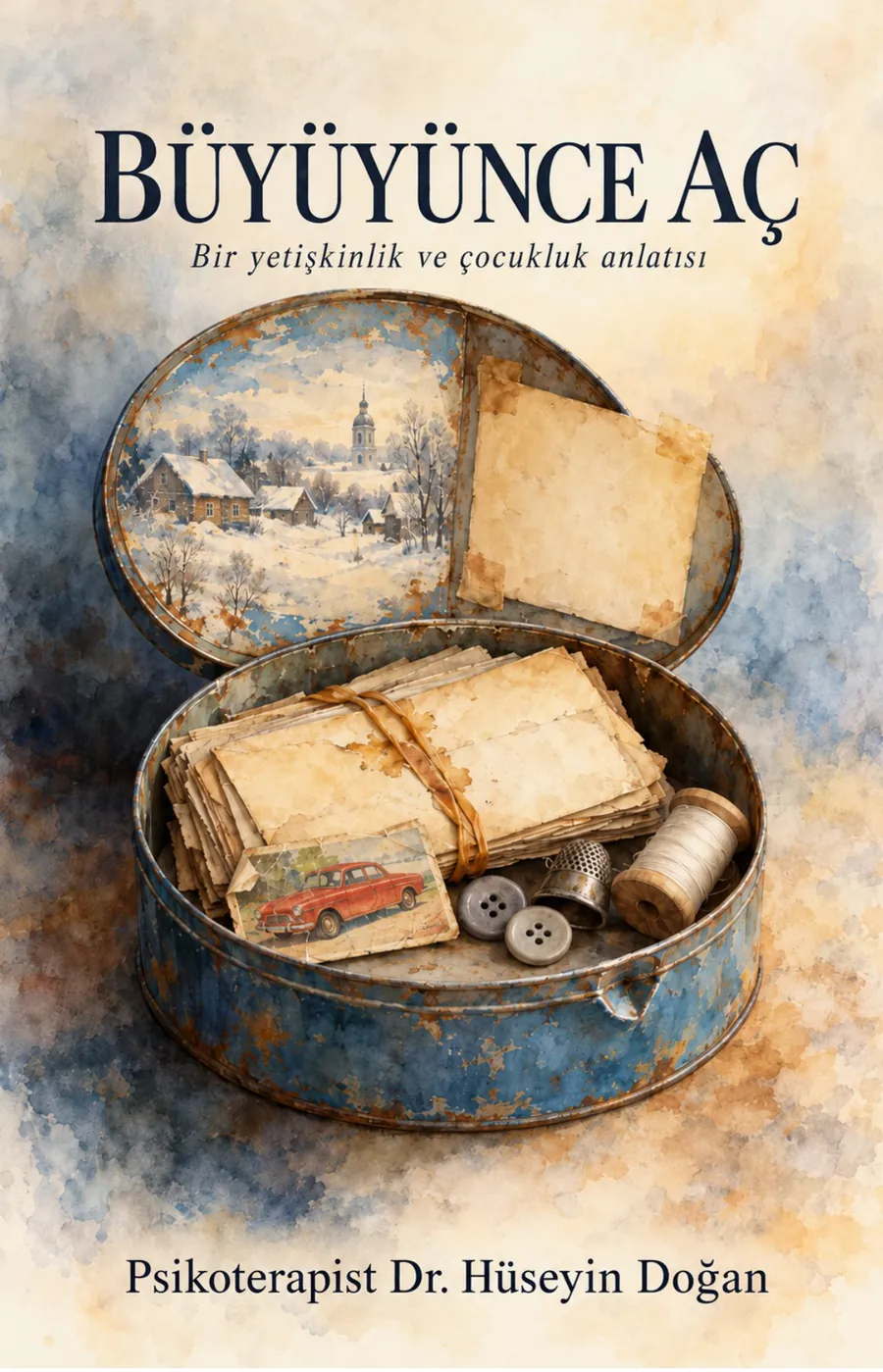
Bir yetişkinlik ve çocukluk anlatısı
Do you say of your childhood, "Nothing bad happened"?
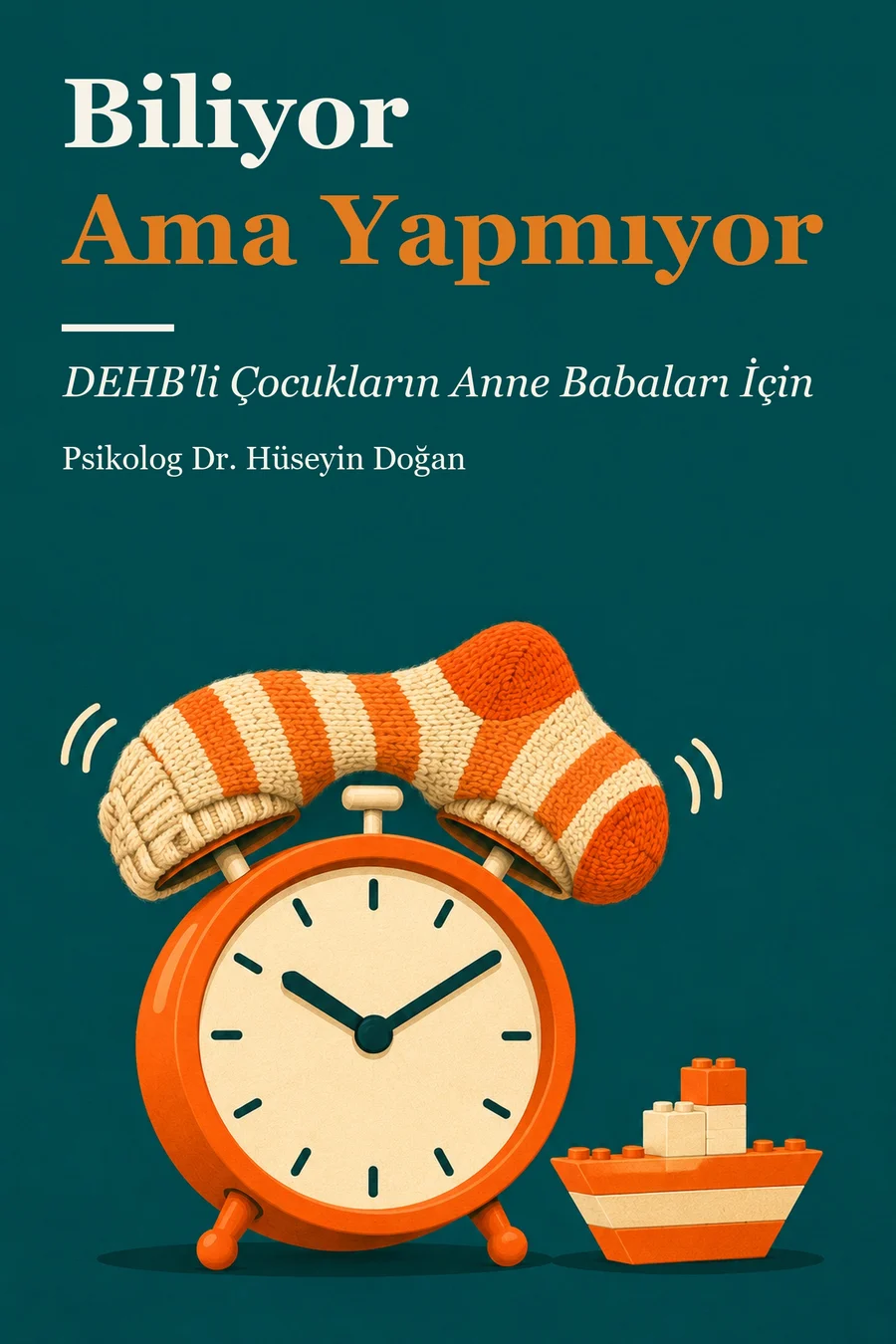
Knows it, doesn't do it. For parents of children with ADHD (in Turkish)
For parents who hear themselves say every morning: "How many times have I told you?"