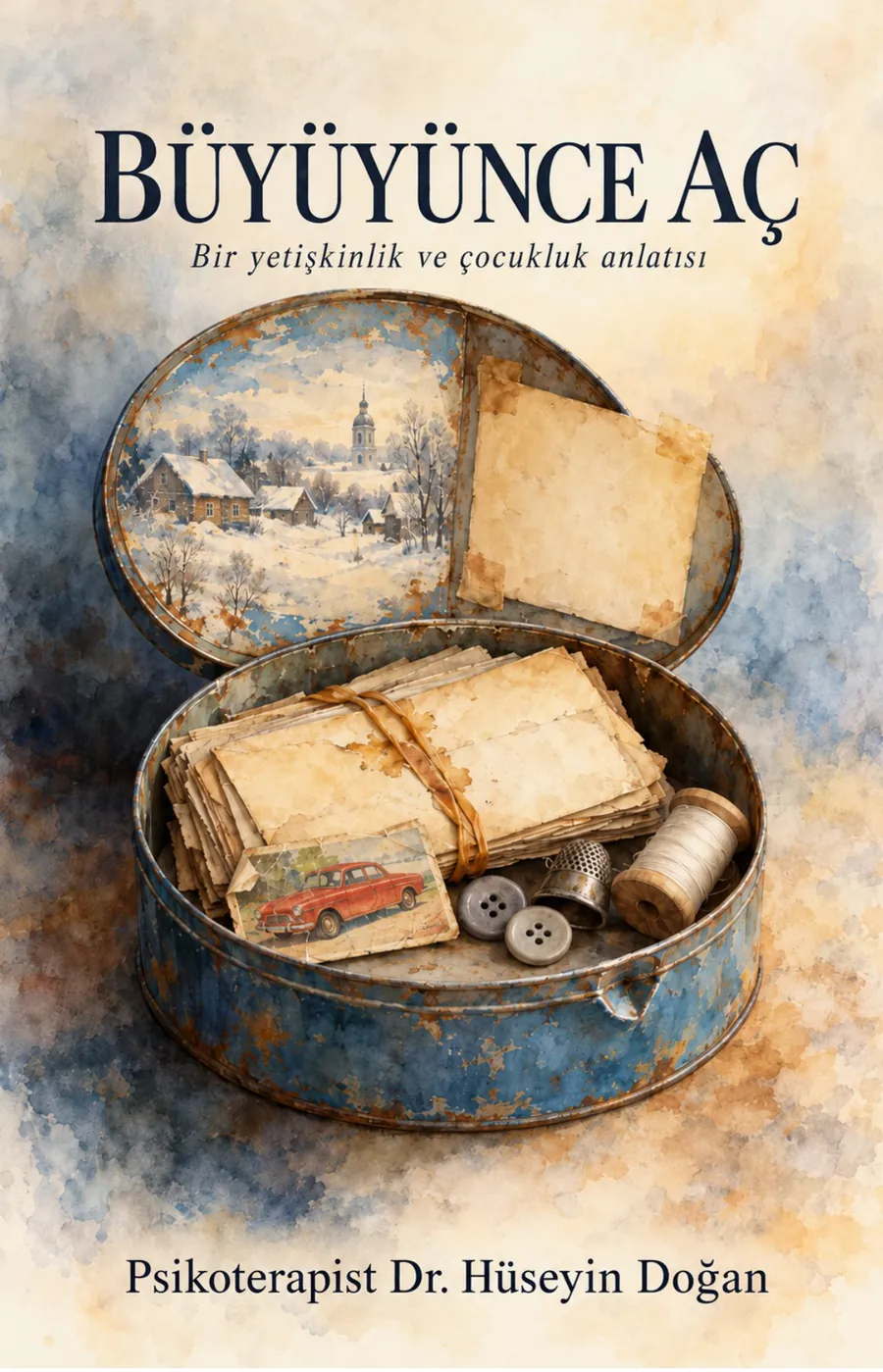
Büyüyünce Aç
Do you say of your childhood, "Nothing bad happened"?
Home › My books › Açılmayan Bavul
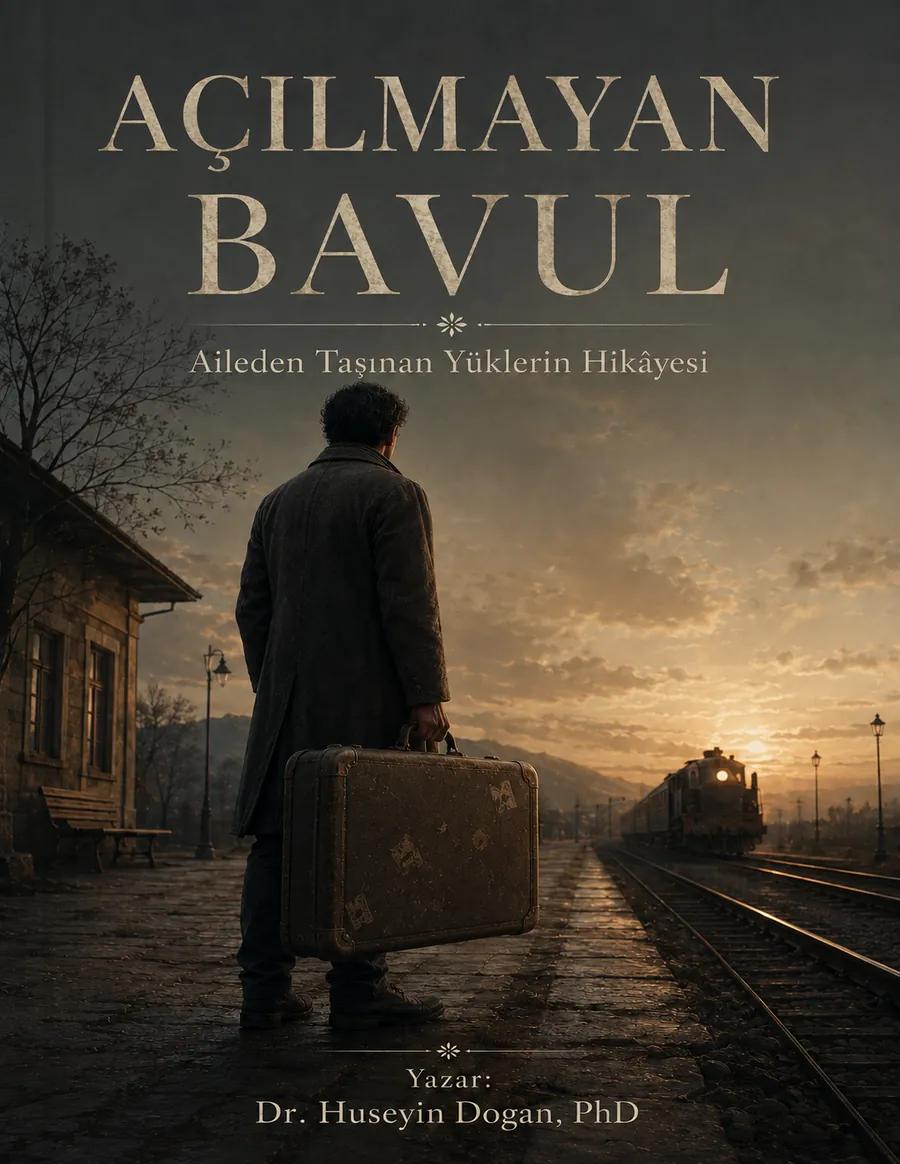
My books · Turkish-language e-book
Aileden Taşınan Yüklerin Hikâyesi (in English: the story of the burdens we carry from our families)
Is the suitcase you have carried for years really yours?
A Traveller stands on a wet platform, seven minutes before the last train. Beside the Traveller sits a heavy suitcase, dragged along for years: the lock is broken and the key is lost. Açılmayan Bavul (The Unopened Suitcase) is a psychological novel in Turkish about the burdens we carry from our families, with a practical guide at the end.

İnsanlar anahtarını kaybettikleri şeyleri yıllarca taşırlar.From chapter 1, Son Tren (translated: "People carry things they have lost the key to for years.")
Taşıman, senin olduğunu göstermez. Sadece uzun zamandır bırakmadığını gösterir.
Bu bir masal kitabı. Ama uyumak için değil, uyanmak için yazıldı.
The old ticket clerk turns the ticket over twice, looks at the suitcase and asks a simple question: "Whose suitcase is this?" "Mine," says the Traveller, who has no idea what is inside. A well, a house whose windows all look outwards, the square of 'what will people say', a ledger of debts, the Bridge of No, a garden where an apology is awaited: at every stop the suitcase opens a little further.
Alongside the allegory run four familiar lives. Elif, a lawyer, means to skip the family holiday meal, yet on her mother's fourth call she hears herself say "Tamam anne, gelirim" ("All right, Mum, I'll come"). Hasan brings people together for a living while his own home stays silent. Murat sends money to his younger sibling once again, under the sentence "What would we do without you?" Zeynep reads her partner's mood from the sound of the key in the door, and sets her face accordingly.
The book deals with not being able to say no, the fear of elalem (what people will say), roles taken on in childhood, swallowed anger, grief for apologies that never come and what one generation hands to the next. It does so without looking for someone to blame. Anyone who grew up between two cultures will recognise many of these sentences straight away.
A Traveller, a ticket clerk and a journey of sixteen chapters. Each stop opens a scene about a burden that families pass on in silence.
A few lines asking which sentence or which year the chapter brought back, the ticket clerk's question and one small, realistic step to try that week. A list at the front lets you start with the chapter in which you recognise yourself.
A map outside the story, to be read chapter by chapter. Ideas such as conditional closeness, a sense of self that leans on outside approval, the parentified child, emotional neglect and intergenerational transmission are explained in plain language. The guide helps you notice patterns and says plainly that it is no diagnostic list.
A short closing chapter on the signs that a book is not enough and how to choose a therapist. The helplines it names are Turkish; in the Netherlands your GP (huisarts) is the first port of call.
Dr. Hüseyin Doğan is a psychologist with more than 19 years of clinical experience. He earned his doctorate in psychological counselling at Gazi University in Ankara and, on a Fulbright grant, worked as a postdoctoral researcher and lecturer at the University of Central Florida. Through ViaNova Praktijk he works online, in Turkish, with Turkish-speaking adults in the Netherlands and across Europe.
Açılmayan Bavul grew out of the burdens he heard about over those years in the consulting room. Elif, Hasan, Murat and Zeynep are invented characters, drawn from many different lives; none of them is a real client.
Not at the moment. Açılmayan Bavul is published as a 157-page Turkish-language e-book on Google Play Books. It was written for readers who read Turkish, including those whose everyday language is Dutch or English.
A bit of both. It reads as an allegorical novel, while the Thresholds after each chapter and the psychological guide at the end help you carry the story into your own life.
Buy it on Google Play Books and read it in the Google Play Books app on your phone or tablet, or in a web browser on your computer.
No. The book says so itself: "Bu kitap terapi yerine geçmez" (this book does not replace therapy). If what you carry feels too heavy, talking to a professional is a good next step. If you would like to speak with a psychologist in Turkish, you can get in touch through ViaNova Praktijk's appointment page.
My other books
Do you say of your childhood, "Nothing bad happened"?
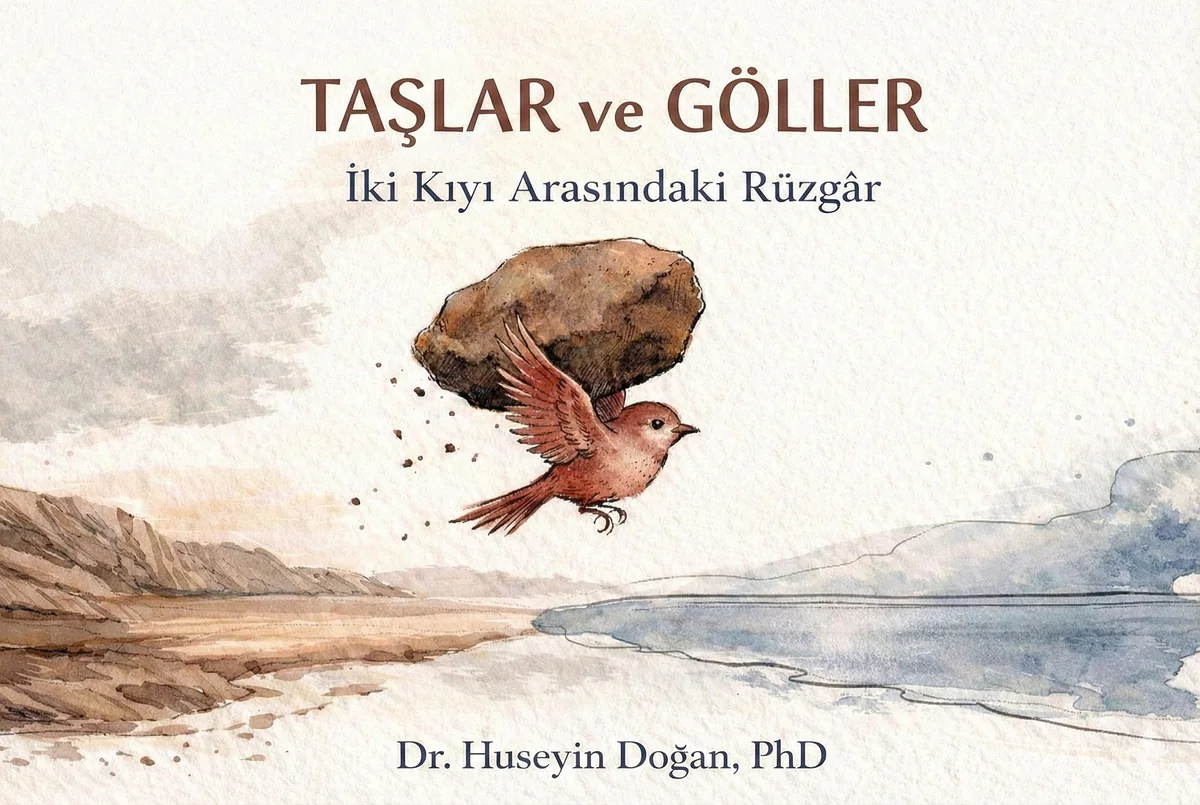
For children who carry a stone that no one else can see.