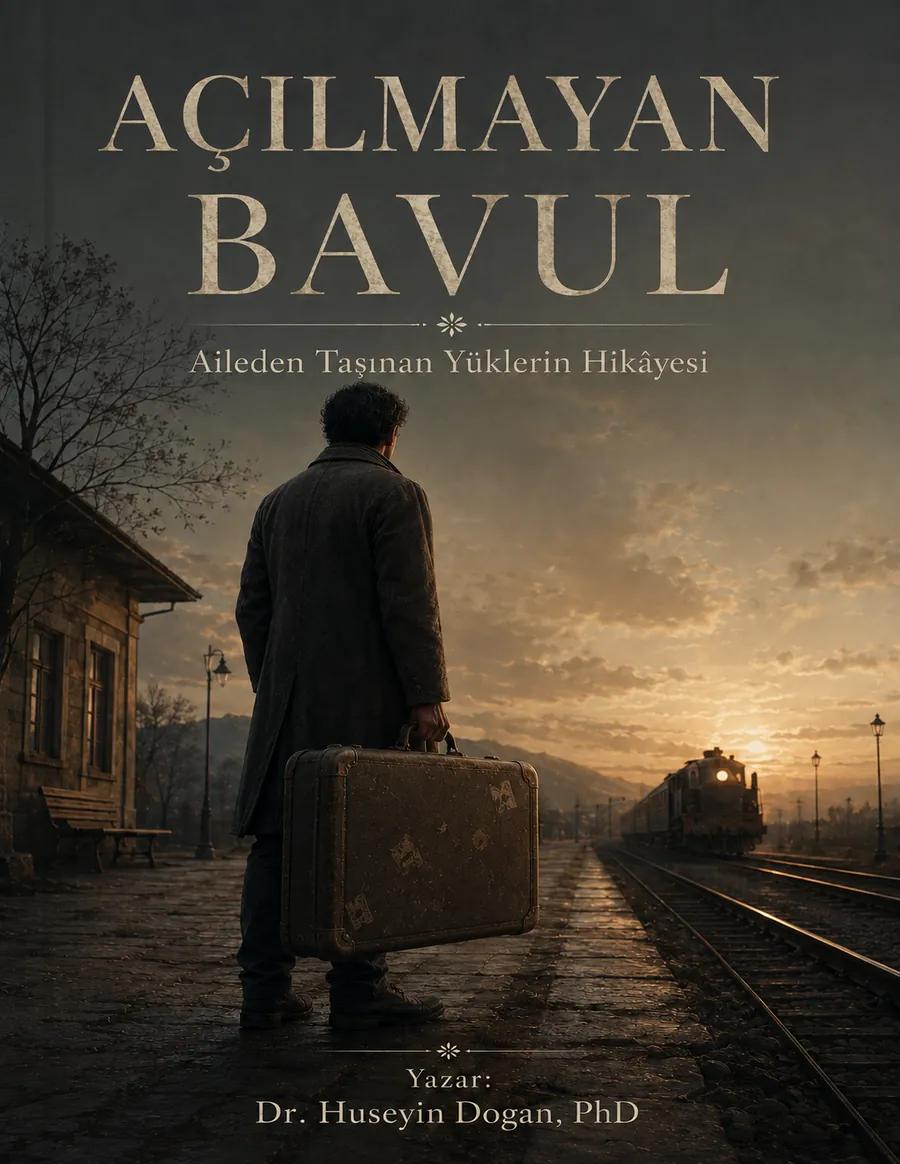
Açılmayan Bavul
Is the suitcase you have carried for years really yours?
Home › My books › Taşlar ve Göller
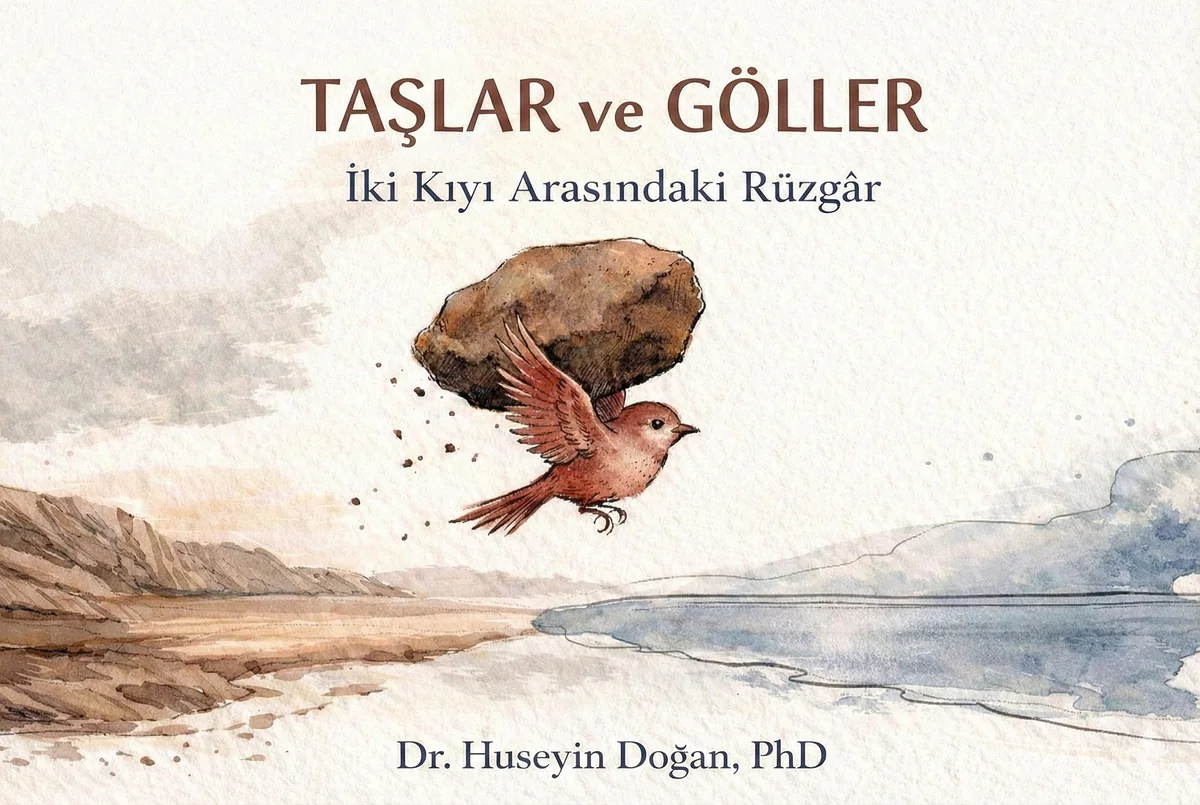
My books · Illustrated children's book
Stones and Lakes: the wind between two shores (Dutch: Stenen en Meren)
For children who carry a stone that no one else can see.
Leyra is a small bird from the Iron Cliffs. One night two words appear on the cliff face in red paint, and the flock has to leave. Her grandfather gives her a flat black stone to take along: the memory of the nest. Told with watercolour illustrations, the book follows a child making room for herself in a new place. It is available in Turkish and in a Dutch edition, Stenen en Meren.
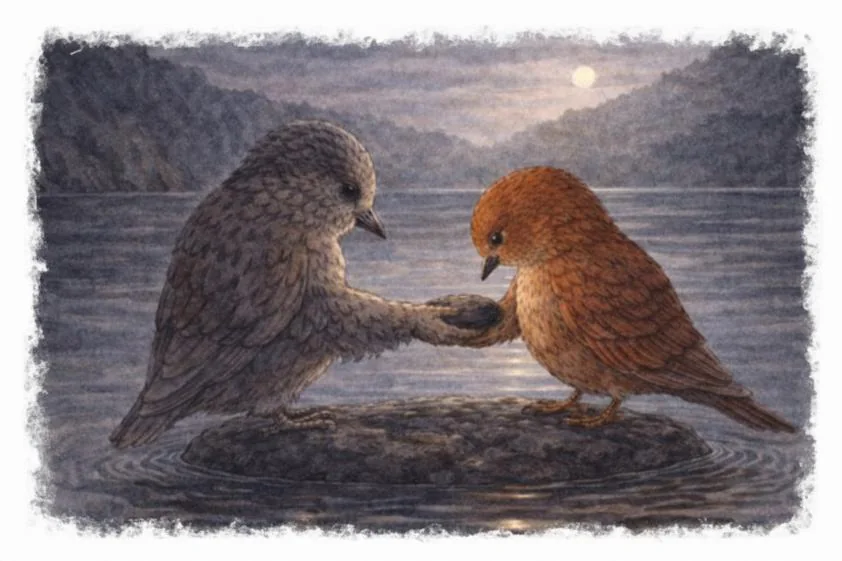
Uçmak kolaydır. Kanadı olan her şey rüzgârda uçar. Zor olan, nereye konacağını bilmektir.Grandfather, chapter 1 (translated: "Flying is easy. Anything with wings flies in the wind. The hard part is knowing where to land.")
Adım Leyra. Zor değil. Sadece yeni.
Kıyılar birbirine dokunamaz. Ama rüzgâr ikisine de dokunur.
Her kelime senin değildir. Bazıları sadece uğrar.
Leyra's world is the thin line where the Iron Cliffs meet the lake. In the mornings she races her friend Cloud; her favourite moments are with her grandfather, who sits by his black stone at the water's edge. He tells her what her name means in the old language: "the wind between two shores".
One night the Watch Flock arrives, a list is read out and two words appear on the cliff in red: DANGEROUS FLOCK. The next morning Cloud no longer wants to fly with her. The flock leaves. Grandfather stays behind, and presses the stone he has sat on for years against Leyra's chest.
The journey leads first to the Grey Lake, a waiting place where numbers are called instead of names and the calendar carries a single word: FOR NOW. Then comes the Silver Lake, where everything is neat and straight, as if drawn with a ruler. On the first day of school the teacher cannot pronounce Leyra's name and suggests calling her simply "Ley". The stone under Leyra's chest grows warm.
The book tells of migration, leaving and being shut out through a child's eyes, in simple, gentle language. No one is cast as the villain. The story looks for the way a child can fit into a new place and still stay herself.
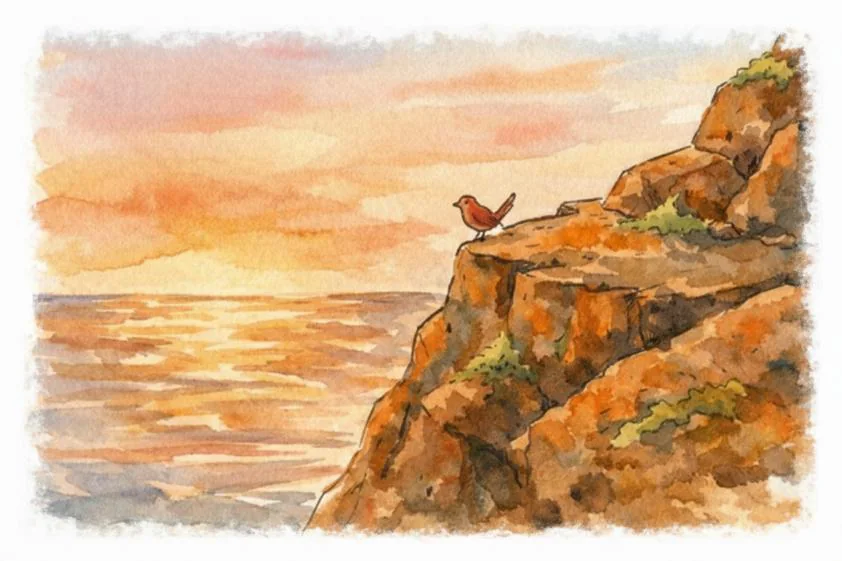
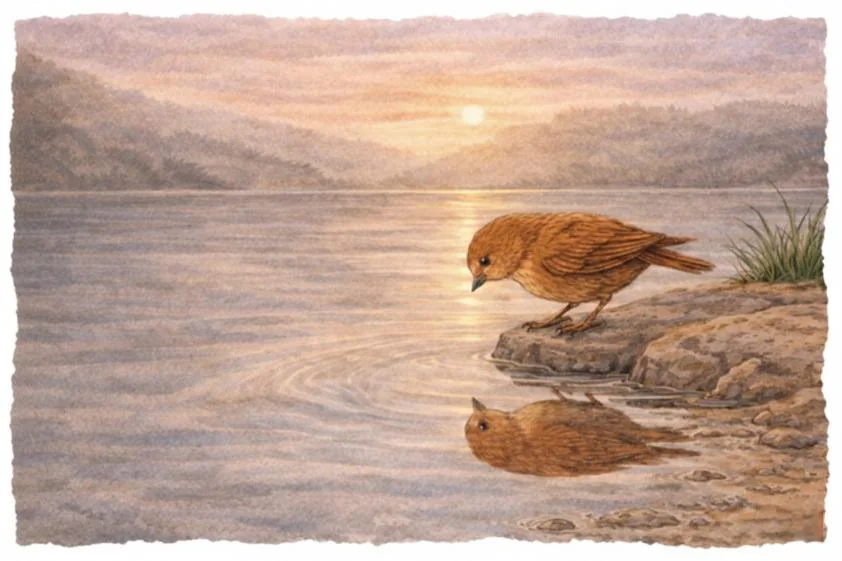
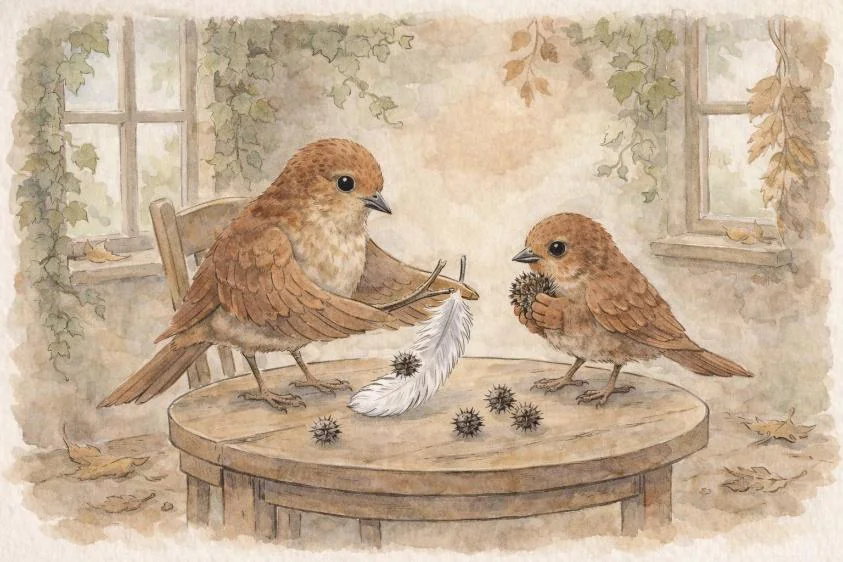
From the Iron Cliffs to the Grey Lake and on to the Silver Lake. The chapters are short; you can read one in a single sitting with a child.
Leyra's journey is accompanied by watercolour illustrations: the nest on the cliffs, Grandfather's stone, the classroom, the Quiet Wing Room.
For parents and teachers reading the story with a child, the book offers one simple suggestion: you do not have to explain the child's stone or give it a name.
The book is available in Turkish (Taşlar ve Göller) and Dutch (Stenen en Meren). Children who speak Turkish at home and Dutch at school can read the story in both of their languages.
Dr. Hüseyin Doğan is a psychologist with a doctorate in psychological counselling from Gazi University, Ankara. As a Fulbright scholar he worked as a postdoctoral researcher and lecturer at the University of Central Florida. He has more than 19 years of clinical experience and, through ViaNova Praktijk, works online with Turkish-speaking adults in the Netherlands and across Europe.
He first wrote this story for one child. Then he noticed how many other children carry a quiet stone under their chest.
The language is kept simple for children of roughly 9 to 13. Through its imagery, adults can read their own journey in the same scenes.
Turkish (Taşlar ve Göller: İki Kıyı Arasındaki Rüzgar, 75 pages) and Dutch (Stenen en Meren: De wind tussen de twee kusten, 74 pages). Both are e-books on Google Play Books.
You do not have to explain your child's stone or give it a name. You might simply ask what Leyra's stone looked like to them, and whether theirs is similar or completely different.
No. It is a story that makes it easier to talk about feelings; it does not replace individual assessment or treatment. If your child keeps struggling in a new place for a long time, talk to your GP, the school or a youth care professional.
My other books
Is the suitcase you have carried for years really yours?
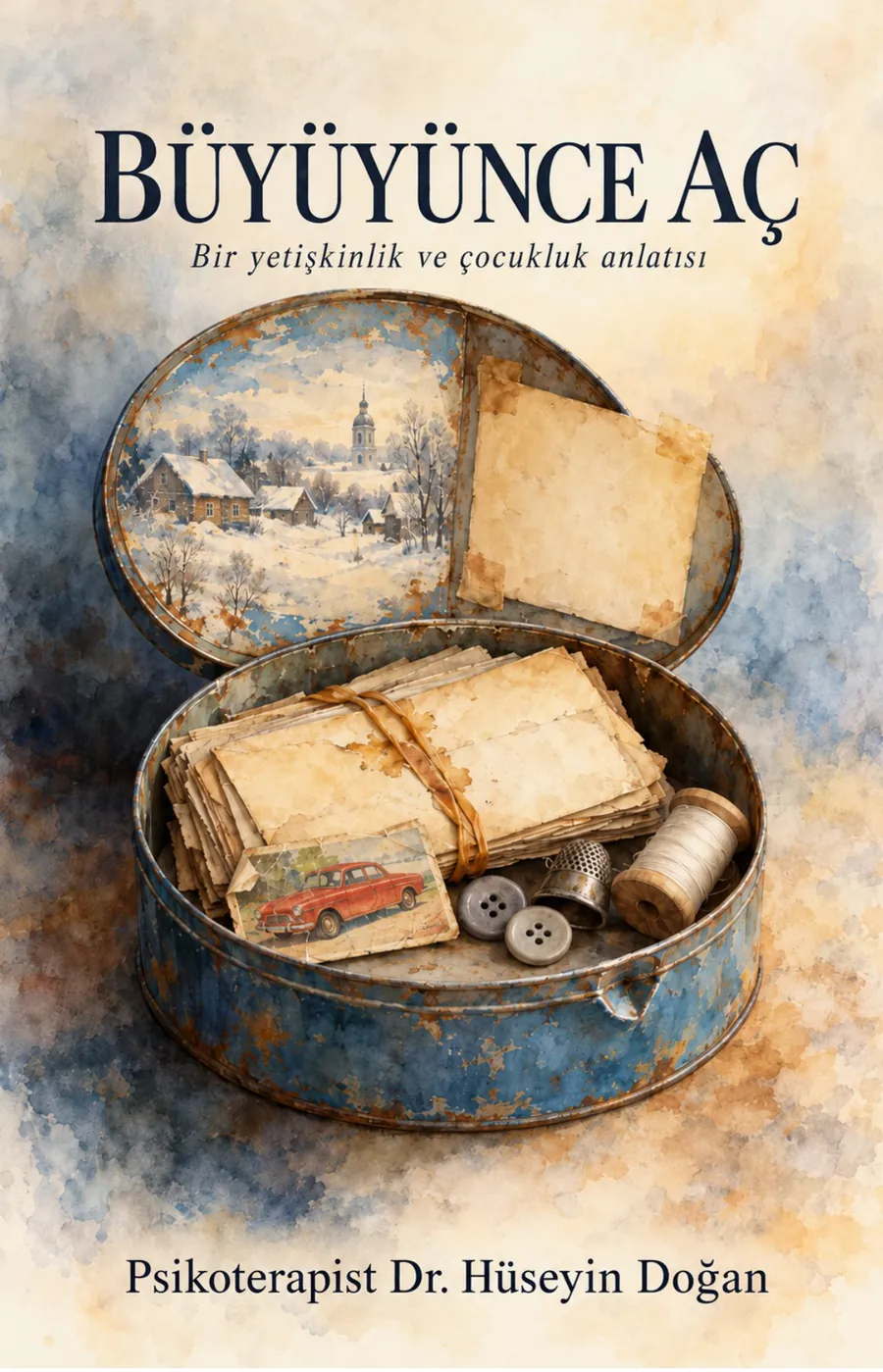
Do you say of your childhood, "Nothing bad happened"?